
Tracing Former Owners of a Northumberland Property
Northumberland's land-record notice lists a long, uneven series. Modern computerized records, old deed books, and an early index do not add up to one complete online chain. Treat each source as a separate stop on the way back. Before moving on, confirm the legal description still matches the same tract.
| Source | Years It Covers | Where Held | What It Shows |
|---|---|---|---|
| Computerized land records | 2006 to present, per local notice | Clerk / SRA, availability to confirm | Recent recorded deeds and instruments |
| Deed Books 87-627 | 1948-2005 | Clerk series and local index | Earlier deed references and parties |
| Deed Books A-ZZ | 1847-1948 | Clerk and LVA catalog | Lettered book conveyances |
| Record Books and deed indexes | 1650s onward; index coverage varies | Clerk / Library of Virginia microfilm | Early deeds, orders, wills and estate context |
Start with the most recent deed. Its prior reference points toward an earlier instrument. When that reference predates the computerized range, shift to the matching deed book or index. For colonial-era work, identify the right Record Book series first and check whether any index actually covers its dates.
Walking the Northumberland Deed Chain Backward
Every recorded transfer supplies the names and land description needed for the next step back. The grantee becomes the prior record's search name. The grantor points toward still earlier ownership. A chain holds up only when each deed describes the same tract or explains a split, merger, or correction.
- Find the latest deed reference for the parcel and copy its grantor, grantee and legal description.
- Search the grantor as an earlier grantee, using name variants and initials when needed.
- Compare acreage, roads, creeks, adjoining owners and any earlier book/page reference.
- Repeat through the matching book or index series, noting gaps and uncertain descriptions.
- Grantor
- The party who conveys an interest in a deed.
- Grantee
- The party receiving the stated interest.
- Chain of title
- The linked recorded transfers for one tract.
- Reverse index
- A search from a current owner back to earlier grantees and grantors.
- Quitclaim
- A transfer of whatever interest the grantor holds, without a warranty.
Start with the Latest Northumberland Deed
The Commissioner roll can identify the parcel and sometimes a recent deed reference. Start there. A name alone can pull in unrelated land. Common surnames and entity names invite false matches. Always check the map number and legal description. Count an index hit as part of the chain only then. Virginia SRA may offer free index access where the local clerk enables it. Images may require a signed agreement, an authorized subscription, and payment. Confirm Northumberland's current setting with the Circuit Court Clerk. Copy instructions from the Clerk use book/page or instrument number for a deed. Plats use book or cabinet plus slide. The SRA land-record portal is the first search layer. A reference can still be carried to the Clerk if the image is not open online.
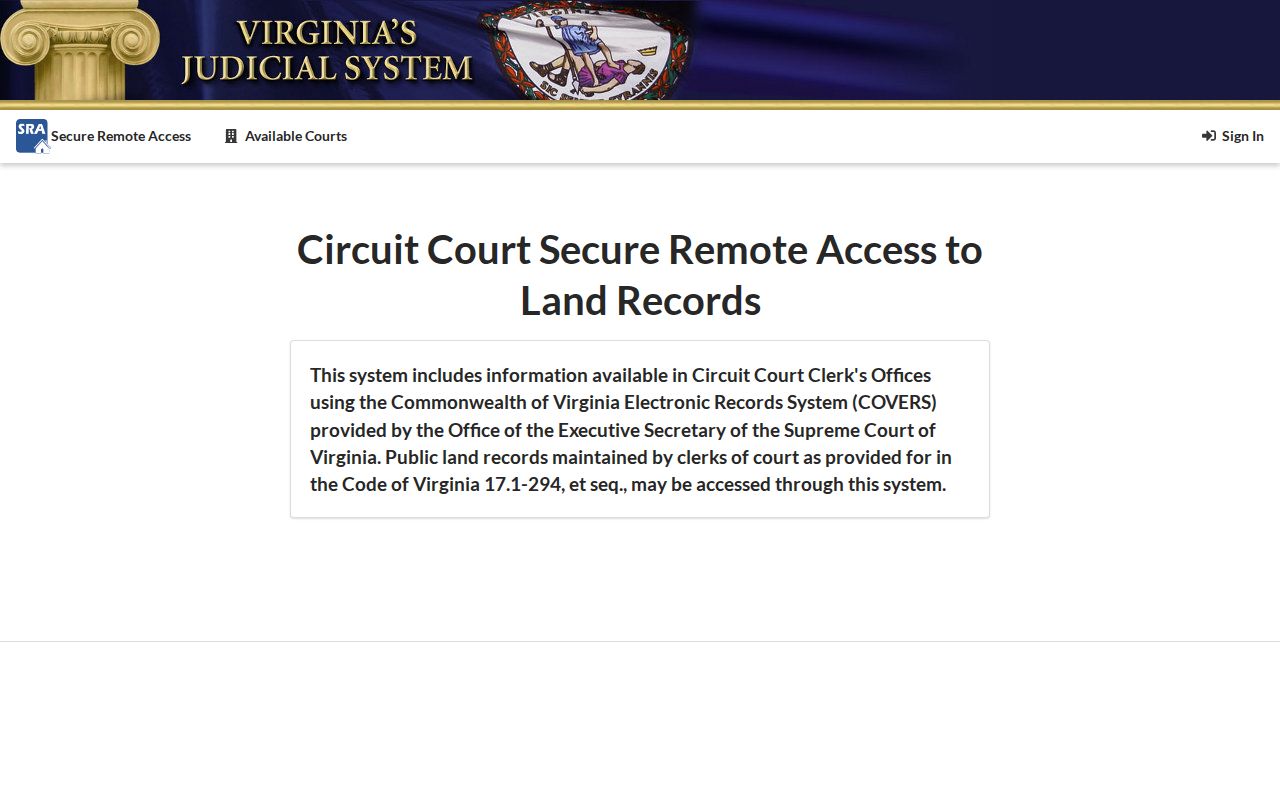
Connect the current transfer to the prior deed through the index reference. Never rely on the parcel address alone.
Northumberland's Numbered and Lettered Books
Deed Books 87-627 cover 1948-2005 in Northumberland County. Books A-ZZ reach back to 1847. Computerized records run from 2006 forward. These ranges explain why a search can jump from an electronic reference to a bound-volume series. The notice's “A-ZZ” wording describes the book series only. It does not prove that every volume has an online image. Ask the Clerk which book or index fits your date and whether it is available through SRA, a counter terminal, a copy request, or a historical volume. Keep the exact page and instrument reference, because one family name may appear many times in a rural county.
The 1799-1891 Northumberland Index
Two index series cover Northumberland County's earliest deed records. The County's own coverage note points to an Index to Deeds spanning January 1799 through December 1891 across the record books. The Library of Virginia catalog adds a general deed index for 1749-1892, plus two later reels covering 1877-1920, split into an A-N reel and an N-W reel. The spans overlap by design. Treat them as separate finding aids rather than one seamless online set, because the coverage is not identical.
Whenever possible, search both sides of a transfer. An index entry is only a pointer. It names the deed but omits the full legal description and many of the clauses inside the instrument. To confirm the tract, and to catch the earlier reference cited in the text, you need the deed book itself.
Before 1847, Find the Mixed Record Books
Northumberland County researchers hit a wall at 1847, and the reason is structural. Deeds, wills and estate material all shared the same Record Books until separate deed volumes began that year. The Library of Virginia cautions that its later general deed, will and fiduciary indexes do not reach Record Books before 1749. So a modern name search can come up empty even when a colonial transfer survives, tucked in a volume you must read page by page or trace through a different finding aid.
The catalog holds Deeds and Orders from 1650-1652 and Record Books running from the 1650s through 1846. A fire in 1710 destroyed part of the record. When a chain seems broken, the gap may come from that fire, a change in record series, or an unindexed volume. Never read a missing link as proof that an owner had no predecessor.
The Library of Virginia Northumberland collection lists the microfilm and the dates each reel covers.
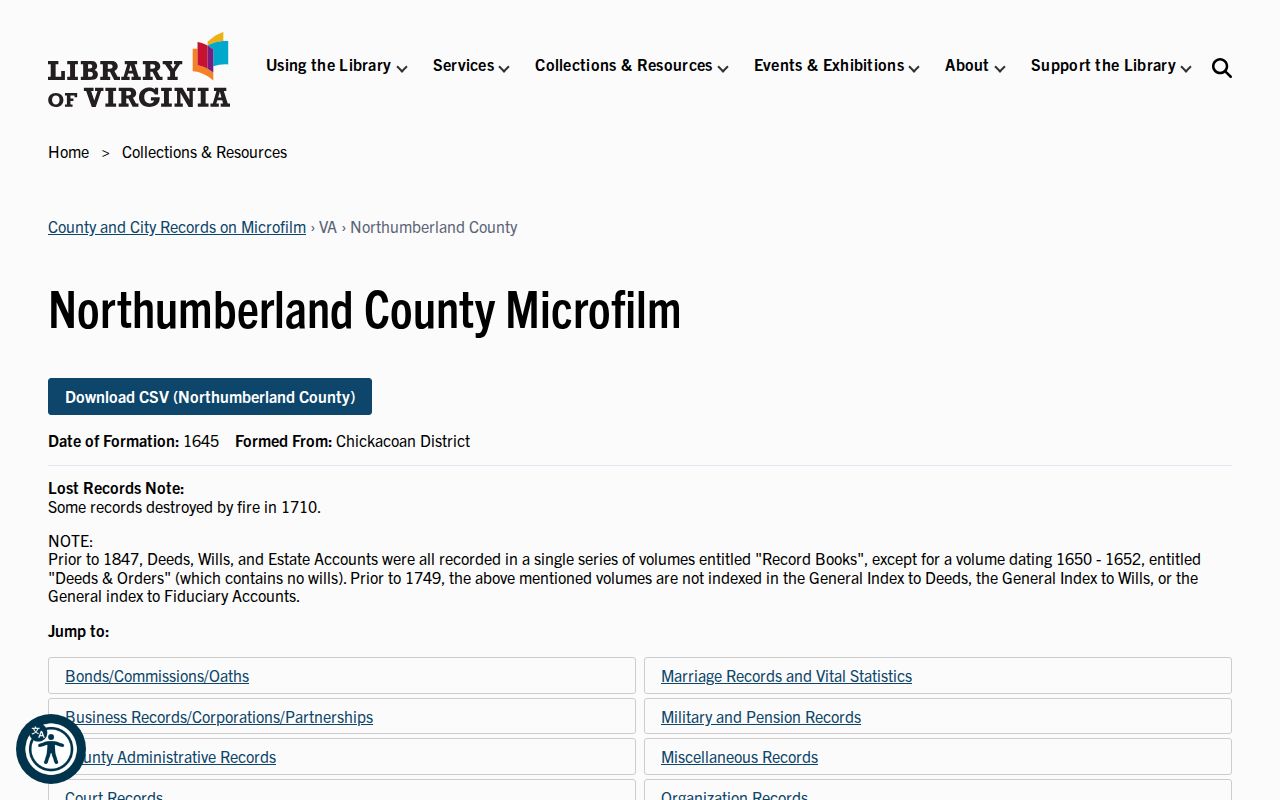
Check the catalog series before searching early ownership, so the right index assumptions guide the work.
When a Northumberland Address Disappears
Old Northumberland deeds read differently than modern ones. They may describe acreage, creek or river frontage, a road, adjoining owner calls, and an earlier deed book instead of a present-day 911 address or map number. Start with the grantor-grantee index to find the instrument. Then compare its description against the current parcel using acreage, waterways, roads, and neighbors.
Legal descriptions here vary widely. A Northumberland parcel may carry metes and bounds, lot and block, reservations, exceptions, rights-of-way, or a reference to an older survey. A correction deed can change a name. It does not create a new owner of record, so read the instrument body and its related deed references before matching anything to a modern map.
Estate Transfers in the Owner Chain
An owner's death often changes the paperwork. The transfer may pass through an executor or administrator instead of a plain sale. Search both names in the land index. Then check the Circuit Clerk's probate orders and fiduciary records for the authority to convey. Estate deeds, distributions, partitions, and court orders explain why a grantor name shifts between transfers.
The Library of Virginia goes deeper. Its holdings include Estate Papers from 1761-1950, fiduciary books through 1957, a fiduciary accounts index starting in 1749, and an heirs index for 1912-1913. These support estate research. The recorded deed still confirms the land conveyance.
A death record can help confirm a family connection. The Department of Health's vital-record FAQ describes public opening periods and the $15 search or certificate fee, with access rules that depend on the request, so check with the state office before ordering a record.
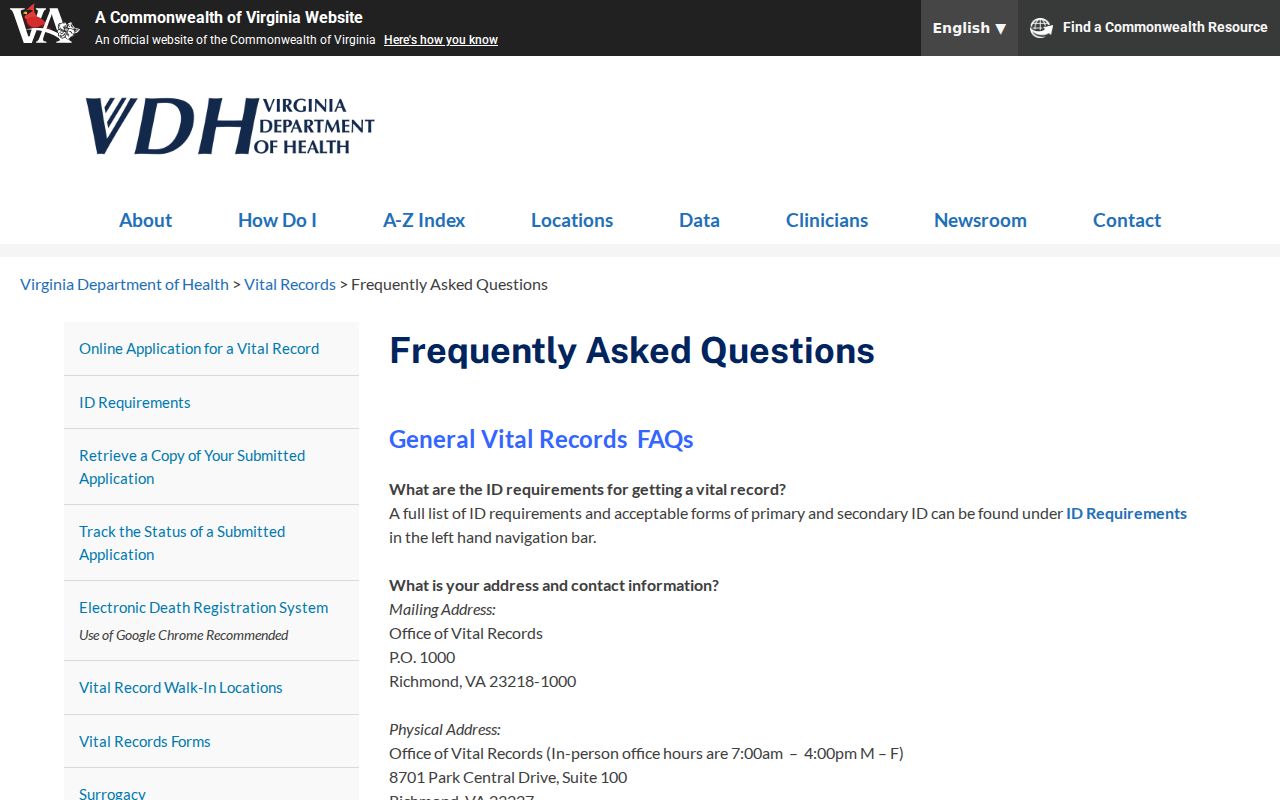
Keep one rule straight about death records. They prove a family link only. For a restricted certificate, review the Department of Health's current identification requirements before applying.
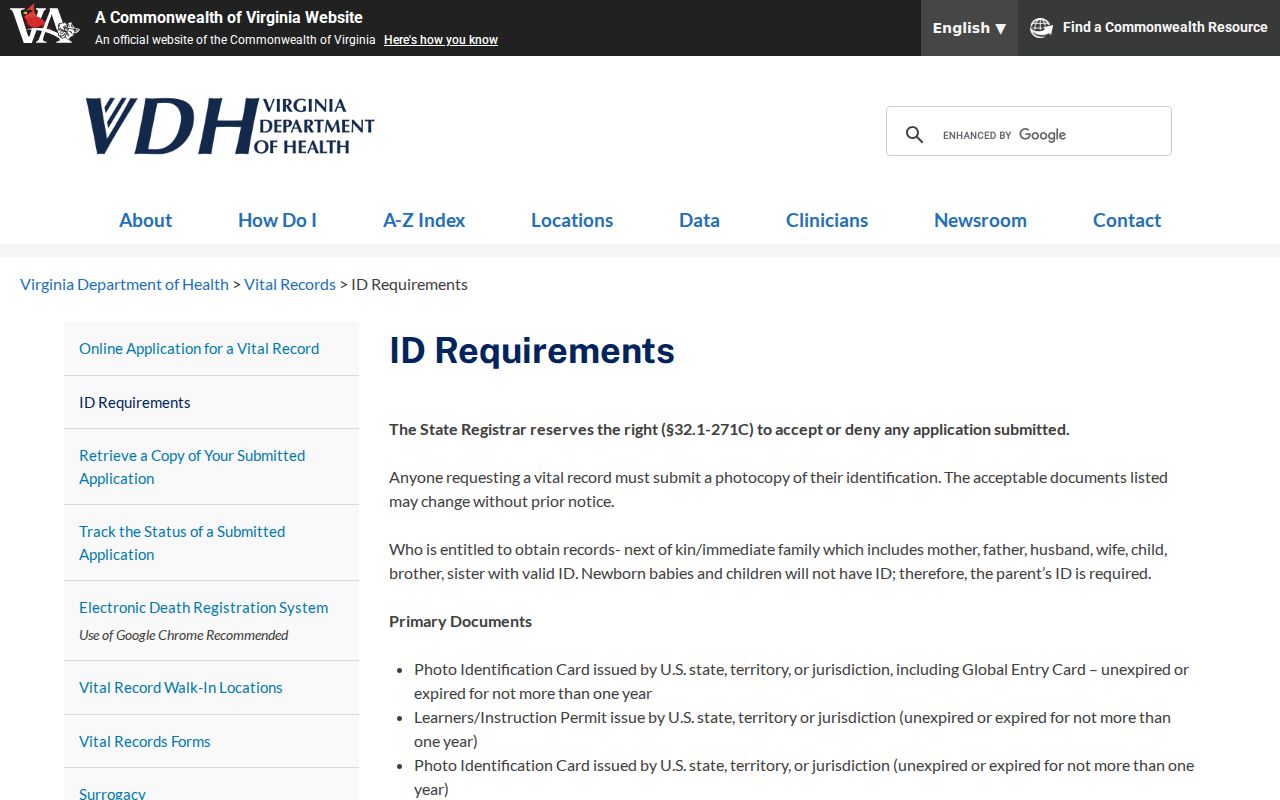
Eligibility rules apply here. A prior owner's name alone never qualifies a requester. Confirm eligibility and acceptable documents on the current state page, and note that Virginia DMV also publishes a DL-81/DL-82 request route for eligible customers at a listed $17 fee.
That DMV route is separate. It serves eligible applicants but never substitutes for the Clerk's probate order or the recorded deed.
Northumberland Plats and Boundary Clues
Old boundary clues come in several forms. Historic maps and plats from 1823-1901, processioners' reports from 1795-1846, and oyster plats from 1893-1911 can explain older lot and boundary language. A plat may show a subdivision or road. A processioners' report records a boundary walk. Neither is a modern survey. Age and detail do not change that, so treat each as a clue rather than a survey.
The Clerk's copy instructions ask for a plat book or a cabinet and slide, so link each historic map to its deed book reference and legal description. That link matters most where Northern Neck creeks, rivers, oyster grounds, and old road names make a current address a poor key.
Reading a Northumberland Deed Chain Backward
A deed chain is not a guest list. It is a linked set of recorded conveyances, not everyone who may have used a house or held an unrecorded interest. Start with a current grantee. Identify that deed's grantor, repeat the search with the matching parcel description, and keep each transfer's date and reference so the history can be checked later.
- Start from the newest deed that matches the current parcel's map number or legal description.
- Record its grantee, grantor, recording date, book/page and prior reference.
- Search the earlier grantor as a grantee and compare tract calls, acreage and adjoining land.
- Move from SRA or computerized books to the older series as the dates require.
- Grantor
- Party who transfers the stated interest.
- Grantee
- Party who receives the stated interest.
- Chain of title
- Sequence of recorded transfers for the same tract.
- Legal description
- Text that identifies land by lots, calls, acreage or adjoining features.
How Far Back Northumberland Owner Records Reach
Northumberland owner records reach far. Computerized land records run from 2006 forward. Older deed book ranges and the deed index reach into the nineteenth century, and the Library of Virginia catalog takes the trail much farther through Deeds and Orders from 1650-1652 and mixed Record Books. That depth is real. It is still not a continuous online index or an unbroken surviving chain.
Use the record lawfully. Research former Northumberland owners for house history, title review, estate work and property diligence. Do not use the chain to track, expose or harass a living person.